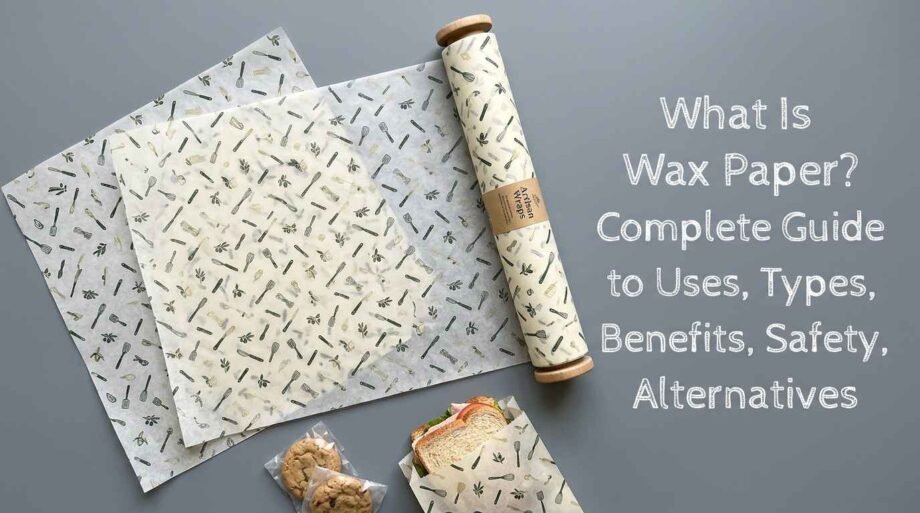
Wax paper is one of the most commonly used food wrapping materials in homes, restaurants, bakeries, grocery stores, and the food packaging industry. Its smooth, non-stick surface and grease-resistant coating make it ideal for wrapping sandwiches, lining food baskets, separating frozen foods, and protecting baked goods. Although many people use wax paper every day, they often confuse it with parchment paper, freezer paper, or greaseproof paper. Knowing the differences between these materials helps you choose the right paper for cooking, baking, food storage, and commercial packaging.
Wax paper is more than just a kitchen supply. It is widely used by bakeries to wrap pastries, cafés to serve sandwiches, delis to package fresh meats and cheeses, and restaurants to present burgers, fries, and snacks. Custom printed wax paper has also become a popular branding tool because it allows businesses to print their logos and designs directly on food-safe wrapping paper, creating a memorable customer experience while protecting food from grease and moisture.
Modern wax paper is designed to create a protective barrier that keeps oils, butter, moisture, and sticky foods from soaking through the paper. This barrier helps maintain freshness, improves food presentation, and reduces mess during storage or transportation. Because of these qualities, wax paper continues to be an essential packaging material for both household and commercial applications.
This complete guide explains everything you need to know about wax paper, including how it is made, the materials used in its production, the different types available, its most common uses, advantages and limitations, food safety, sustainability, and how it compares with other food wrapping papers. Whether you are a homeowner, chef, bakery owner, restaurant manager, or packaging buyer, this guide will help you understand how to choose the right wax paper for your specific needs.
What Is Wax Paper?
Wax paper is a type of paper that is coated with a thin layer of food-grade wax on one or both sides. This coating creates a smooth, moisture-resistant, and grease-resistant surface that prevents oils, butter, sauces, and other food liquids from soaking through the paper. The wax coating also gives the paper its non-stick properties, making it useful for wrapping, storing, and handling a wide variety of foods.
Unlike ordinary paper, wax paper acts as a protective barrier between food and the outside environment. It helps reduce grease stains, keeps food fresh for a longer period, and prevents sticky foods from sticking to the paper. Because of these characteristics, wax paper has become a standard choice in homes, restaurants, bakeries, cafés, delis, supermarkets, and food manufacturing facilities.
One of the reasons wax paper remains popular is its versatility. It can be used to wrap sandwiches, burgers, pastries, cookies, chocolates, cheeses, and many other food products. It is also commonly placed between slices of meat or cheese before freezing to prevent them from sticking together. Outside the kitchen, wax paper is used for arts and crafts, polishing surfaces, protecting countertops, and separating delicate items during storage.
The defining feature of wax paper is its wax coating. Manufacturers typically apply a thin, even layer of food-safe wax to high-quality paper using specialized coating equipment. This coating forms a protective shield without making the paper overly thick or difficult to fold. As a result, wax paper remains lightweight, flexible, and easy to handle while offering reliable resistance to grease and moisture.
Although wax paper is excellent for wrapping and storing food, it is not designed for high-temperature cooking. The wax coating can melt when exposed to direct heat, which is why wax paper should not be used in ovens or under broilers. For baking applications that involve high temperatures, parchment paper is generally the safer choice because it is treated with silicone rather than wax.
Today, manufacturers produce wax paper in many different sizes, colors, and styles to meet the needs of both consumers and businesses. In addition to plain white and natural brown sheets, many companies offer custom printed wax paper featuring logos, brand colors, and promotional designs. These customized sheets not only protect food but also enhance brand recognition and improve the overall presentation of meals served in restaurants, cafés, bakeries, and food trucks.
As consumer demand for sustainable packaging continues to grow, manufacturers are also developing eco-friendly wax paper options made from responsibly sourced paper and biodegradable wax coatings. These innovations allow businesses to reduce their environmental impact while maintaining the same level of food protection and product presentation.
In simple terms, wax paper is a reliable food wrapping material that combines flexibility, cleanliness, and practical performance. Its grease-resistant coating, non-stick surface, and ability to preserve food quality have made it an essential product across the food service and packaging industries for decades.
Quick Definition
Wax paper is a food-grade paper coated with wax that provides a non-stick, grease-resistant, and moisture-resistant surface for wrapping, storing, and protecting food. It is intended for food preparation and storage rather than high-temperature baking.
Key Features of Wax Paper
| Feature | Description |
| Food-safe coating | Designed for direct contact with food. |
| Grease resistant | Prevents oils and fats from soaking through the paper. |
| Moisture resistant | Helps reduce moisture transfer and maintain freshness. |
| Non-stick surface | Keeps sticky foods from adhering to the paper. |
| Flexible | Wraps easily around foods of different shapes and sizes. |
| Lightweight | Easy to fold, stack, and transport. |
| Printable | Suitable for custom logos and branding using food-safe inks. |
| Disposable | Convenient for single-use food service applications. |
| Available in many sizes | Offered as sheets, rolls, and custom dimensions. |
| Common in food packaging | Used by bakeries, cafés, restaurants, delis, and grocery stores. |
What Is Wax Paper Made Of?
Understanding what wax paper is made of helps explain why it performs so well in food wrapping and packaging. Although it appears simple, wax paper is manufactured using carefully selected materials that provide strength, flexibility, grease resistance, and moisture protection while remaining safe for direct food contact.
Modern wax paper consists of two main components: a paper base and a food-grade wax coating. These materials work together to create a lightweight yet durable wrapping paper suitable for both household and commercial use.
Paper Base
The foundation of wax paper is high-quality paper manufactured from wood pulp. The pulp is processed into thin, smooth sheets that provide the strength needed for wrapping food while remaining flexible enough to fold without tearing.
Manufacturers typically use food-grade paper because it offers:
- A smooth surface for even wax coating
- High flexibility for wrapping different food items
- Good tear resistance
- Compatibility with food-safe printing
- Clean appearance for food presentation
The paper base may be white, natural brown, or customized depending on the intended application.
Common Paper Types
- Bleached paper
- Unbleached kraft paper
- Natural food wrapping paper
- Virgin fiber paper
- FSC-certified paper
- Recyclable paper stock (where applicable)
The quality of the paper base directly affects the final performance of the wax paper. Premium paper creates smoother coatings, better print quality, and improved durability.
Food-Grade Wax Coating
After the paper is manufactured, a thin layer of food-safe wax is applied to one or both sides. This coating gives wax paper its unique properties.
The wax fills tiny pores within the paper fibers, creating a barrier against grease and moisture while keeping the paper flexible.
The coating also creates the familiar smooth texture that prevents food from sticking.
Types of Wax Used
Different manufacturers use different wax formulations depending on the product’s purpose.
Paraffin Wax
Paraffin wax is the most commonly used coating for traditional wax paper.
Characteristics include:
- Excellent grease resistance
- Smooth finish
- Low cost
- Consistent coating
- Good moisture protection
- Easy application during manufacturing
Paraffin wax has been used in food packaging for decades because it performs well across a wide range of food applications.
Soy Wax
As demand for sustainable packaging increases, many manufacturers now produce wax paper coated with soy wax.
Advantages include:
- Renewable resource
- Plant-based
- Lower environmental impact
- Good grease resistance
- Smooth food-contact surface
Soy wax has become increasingly popular among eco-conscious brands.
Beeswax
Beeswax is used primarily in premium or specialty food wrapping products.
Benefits include:
- Natural origin
- Flexible coating
- Pleasant appearance
- Reusable in certain applications
- Premium food presentation
Although beeswax paper exists, it is less common in commercial food service due to its higher production cost.
Wax Blends
Many commercial manufacturers combine different waxes to improve performance.
Blended coatings may offer:
- Better flexibility
- Improved moisture resistance
- Enhanced grease protection
- Better folding characteristics
- Longer shelf life
The exact formulation varies by manufacturer and intended use.
Food-Grade Safety Standards
Wax paper intended for direct food contact must meet food safety requirements.
Manufacturers generally produce wax paper using materials approved for food packaging.
High-quality food wrapping paper is designed to:
- Prevent harmful contamination
- Maintain food freshness
- Avoid transferring unwanted odors
- Protect food during handling
- Preserve food quality
Reputable manufacturers also conduct quality testing throughout production to ensure consistency.
Does Wax Paper Contain Plastic?
This is one of the most common questions consumers ask.
Traditional wax paper is coated with wax rather than plastic. However, some specialty food wrapping papers may include additional coatings or barrier layers designed for specific industrial applications.
If you need plastic-free packaging, always check the manufacturer’s product specifications before purchasing.
Today, many suppliers offer:
- Plastic-free wax paper
- Compostable wax paper
- Biodegradable food wrapping paper
- Sustainable packaging solutions
These products are becoming increasingly popular among restaurants and food brands looking to reduce plastic waste.
Is Wax Paper Biodegradable?
The answer depends on the type of coating used.
Wax paper made with natural paper fibers and biodegradable waxes generally breaks down more easily than products containing synthetic coatings.
Several factors affect biodegradability:
- Type of wax
- Paper quality
- Printing inks
- Additional coatings
- Local composting conditions
Businesses seeking environmentally friendly packaging often choose responsibly sourced paper combined with plant-based wax coatings.
Can Wax Paper Be Printed?
Yes. One of the biggest advantages of wax paper is that it can be custom printed using food-safe inks.
Restaurants, cafés, bakeries, and food delivery companies frequently use branded wax paper to improve product presentation.
Custom printing can include:
- Company logos
- Brand colors
- Patterns
- Promotional graphics
- Seasonal designs
- Marketing messages
Printed wax paper helps businesses strengthen brand recognition while maintaining the protective benefits of traditional wax paper.
Physical Properties of Wax Paper
Below are the characteristics that make wax paper suitable for food packaging.
| Property | Description |
| Surface | Smooth |
| Texture | Flexible |
| Grease Resistance | High |
| Moisture Resistance | High |
| Oil Resistance | Excellent |
| Printability | Excellent |
| Foldability | Excellent |
| Food Contact | Safe when manufactured for food use |
| Appearance | White, brown, or custom printed |
| Available Forms | Sheets and rolls |
Why These Materials Matter
Each material used in wax paper serves a specific purpose.
The paper provides strength and flexibility, while the wax coating creates a protective barrier against grease and moisture. Together, they produce a wrapping material that is lightweight, practical, and suitable for many food packaging applications.
This combination allows wax paper to:
- Keep sandwiches fresh
- Protect baked goods
- Wrap burgers and fries
- Separate frozen foods
- Package cheese
- Line food baskets
- Improve food presentation
- Support custom branding
Because of these qualities, wax paper continues to be one of the most widely used food wrapping materials across homes, restaurants, bakeries, cafés, and commercial food packaging operations.
How Is Wax Paper Manufactured?
The quality of wax paper depends not only on the materials used but also on the manufacturing process. Modern production combines precision machinery, food-grade materials, and strict quality control to create a paper that is uniform, durable, and safe for direct food contact.
Although manufacturers may use slightly different production methods, the process generally follows these key stages:
- Raw material selection
- Paper production
- Surface preparation
- Wax melting
- Wax coating
- Cooling and curing
- Quality inspection
- Printing (if required)
- Cutting and converting
- Packaging and distribution
How Is Wax Paper Manufactured?
The manufacturing process of wax paper combines papermaking technology with precision wax coating techniques to create a food-safe, grease-resistant, and moisture-resistant wrapping material. Every stage is carefully controlled to ensure the finished product meets food packaging standards while maintaining flexibility, strength, and printability.
Whether wax paper is produced for home kitchens, restaurants, bakeries, or custom food packaging, the overall manufacturing process follows a series of well-defined steps. Each stage contributes to the paper’s final quality, appearance, and performance.
Step 1: Selecting Raw Materials
Every sheet of wax paper begins with carefully selected raw materials. Manufacturers use high-quality paper fibers and food-grade waxes that meet packaging industry standards.
The paper is usually made from virgin wood pulp because it offers a smooth surface, excellent strength, and consistent quality. Depending on the product, manufacturers may also use unbleached kraft paper for a natural appearance or responsibly sourced paper certified by organizations such as the Forest Stewardship Council (FSC).
The wax coating is chosen based on the intended application. Traditional wax paper often uses refined paraffin wax, while eco-friendly products may use soy-based or plant-based waxes.
Main Raw Materials
| Material | Purpose |
| Virgin wood pulp | Produces smooth, strong paper |
| Kraft paper pulp | Creates natural brown wax paper |
| Food-grade paraffin wax | Provides grease and moisture resistance |
| Soy-based wax | Sustainable coating option |
| Beeswax (specialty products) | Premium natural coating |
| Food-safe inks | Used for custom printing |
| Packaging cores | Support roll production |
Before production begins, all raw materials undergo inspection to verify their quality, purity, and suitability for food contact.
Step 2: Producing the Base Paper
The first manufacturing stage is producing the paper that will later receive the wax coating.
Wood chips are processed into pulp through mechanical or chemical methods. The pulp is washed, refined, and mixed with water to form a slurry.
This slurry is spread onto a continuously moving wire screen where excess water drains away. Large heated rollers then press and dry the sheet until it reaches the required thickness and moisture level.
The finished paper must be:
- Smooth
- Flexible
- Lightweight
- Strong enough for wrapping
- Free from contaminants
Any defects at this stage can affect the quality of the final wax paper.
Step 3: Surface Preparation
Before wax is applied, the paper surface is carefully prepared to ensure the coating spreads evenly.
Manufacturers inspect the paper for:
- Surface defects
- Dust particles
- Holes
- Uneven thickness
- Wrinkles
Some production lines also use surface treatment techniques to improve wax adhesion and create a more uniform coating.
Proper preparation helps produce a smooth finish and prevents weak spots where grease or moisture could pass through.
Step 4: Melting the Wax
The selected wax is heated in specialized tanks until it becomes a clear liquid.
Maintaining the correct temperature is essential. If the wax becomes too hot, its properties may change. If it is too cool, it may not coat the paper evenly.
Production systems continuously monitor:
- Temperature
- Viscosity
- Flow rate
- Purity
- Wax consistency
This ensures a stable coating throughout the manufacturing process.
Step 5: Applying the Wax Coating
This is the most important stage of production.
The paper passes through a coating machine where molten wax is applied to one or both sides of the sheet.
Manufacturers use different coating methods depending on the desired finish and production volume.
Common Coating Methods
Roller Coating
Rollers transfer a controlled amount of wax onto the paper surface.
Advantages include:
- Uniform coating
- High production speed
- Excellent consistency
- Cost-effective manufacturing
Dip Coating
The paper passes through a bath of melted wax before excess wax is removed.
Benefits include:
- Complete coverage
- Strong barrier protection
- Good flexibility
Curtain Coating
Liquid wax flows over the paper like a curtain, creating an even layer.
This method is commonly used for premium products because it produces excellent surface quality.
Extrusion Coating
Some specialty food papers are manufactured using advanced coating systems that create highly controlled barrier layers for commercial packaging.
Although less common for standard wax paper, extrusion technology may be used in specialty applications.
Step 6: Controlling Coating Thickness
One feature that separates premium wax paper from low-quality products is the consistency of the wax coating.
Manufacturers use automated sensors to measure coating weight and thickness throughout production.
An uneven coating can cause:
- Grease leakage
- Poor moisture protection
- Uneven printing
- Reduced durability
By maintaining precise coating thickness, manufacturers ensure every sheet performs consistently.
Step 7: Cooling and Solidifying the Wax
After coating, the paper enters a cooling section.
As the wax cools, it hardens and bonds securely to the paper fibers.
Controlled cooling prevents problems such as:
- Cracking
- Uneven texture
- Sticky surfaces
- Poor flexibility
The result is a smooth, non-stick finish that is ready for further processing.
Step 8: Quality Control and Inspection
Quality control is an essential part of wax paper manufacturing.
Samples are tested throughout production to verify that the paper meets performance standards.
Common Quality Tests
| Test | Purpose |
| Grease resistance | Checks oil barrier performance |
| Moisture resistance | Measures water protection |
| Coating uniformity | Ensures even wax distribution |
| Thickness measurement | Confirms product consistency |
| Tear strength | Evaluates durability |
| Folding performance | Tests flexibility |
| Surface smoothness | Ensures quality printing |
| Food-contact compliance | Verifies safety standards |
Any material that does not meet quality requirements is removed before packaging.
Step 9: Custom Printing (Optional)
Many businesses use custom printed wax paper to strengthen their branding.
Once the coating has fully cured, the paper can be printed using food-safe inks.
Popular printing methods include:
- Flexographic printing
- Offset printing
- Digital printing (short runs)
- Water-based ink printing
- Soy-based ink printing
Businesses often print:
- Company logos
- Brand colors
- Promotional graphics
- Product names
- Seasonal artwork
- QR codes
- Social media handles
Custom printing transforms wax paper into both a protective food wrap and a marketing tool.
Step 10: Cutting and Converting
After inspection and printing, large paper rolls are converted into finished products.
Depending on customer requirements, manufacturers produce:
- Pre-cut sheets
- Continuous rolls
- Interfolded sheets
- Pop-up dispenser packs
- Custom dimensions
- Die-cut shapes
Food businesses can order standard sizes or request custom dimensions for specific menu items.
Step 11: Packaging and Distribution
The finished wax paper is packaged to protect it from dust, moisture, and damage during storage and transportation.
Commercial packaging options include:
- Retail boxes
- Bulk cartons
- Restaurant packs
- Bakery packs
- Palletized shipments
- Wholesale packaging
Proper packaging helps preserve product quality until it reaches the end user.
Why the Manufacturing Process Matters
The quality of wax paper depends on every stage of production. From selecting premium raw materials to applying a consistent wax coating and performing strict quality checks, each step contributes to the paper’s strength, flexibility, and protective performance.
A well-manufactured sheet of wax paper offers:
- Reliable grease resistance
- Effective moisture protection
- Smooth non-stick performance
- Safe food contact
- High-quality printability
- Consistent wrapping performance
These characteristics make wax paper an essential packaging material for restaurants, bakeries, cafés, grocery stores, food manufacturers, and custom packaging businesses worldwide.
Types of Wax Paper
Wax paper is available in a wide variety of styles to meet the needs of households, restaurants, bakeries, food manufacturers, and retail businesses. Although every type shares the same basic purpose of protecting food from grease and moisture, each one is designed for a specific application.
The differences may include the paper material, wax coating, thickness, color, printing method, sheet size, or intended use. Choosing the right type of wax paper helps improve food presentation, maintain freshness, reduce waste, and create a better customer experience.
Below are the most common types of wax paper used across the food service and packaging industries.
1. White Wax Paper
White wax paper is the most widely used type of wax paper. It is made from bleached paper that is coated with a thin layer of food-grade wax, giving it a clean and professional appearance.
Because of its bright white surface, this paper is commonly used in restaurants, bakeries, cafés, supermarkets, and home kitchens. It also provides an excellent surface for custom printing, making it a popular choice for branded food packaging.
Best Uses
- Sandwich wrapping
- Burger wrapping
- Bakery packaging
- Cheese wrapping
- Pastries
- Cookies
- Food basket liners
- Retail food packaging
Advantages
- Clean appearance
- Excellent print quality
- Grease resistant
- Moisture resistant
- Smooth non-stick surface
2. Brown Wax Paper
Brown wax paper is produced using natural kraft paper instead of bleached paper. It has a rustic appearance that complements eco-friendly and artisan food brands.
Many coffee shops, bakeries, and organic food businesses choose brown wax paper because it creates a natural presentation while still protecting food from grease and moisture.
Common Applications
- Organic bakeries
- Artisan bread
- Coffee shops
- Gourmet sandwiches
- Farmers’ markets
- Handmade chocolates
Benefits
- Natural appearance
- Strong paper fibers
- Rustic branding
- Printable surface
- Sustainable image
3. Bleached Wax Paper
Bleached wax paper undergoes a whitening process before receiving its wax coating. This creates a bright, uniform surface that is ideal for food presentation and detailed printing.
It is commonly used by premium food brands that want clean, vibrant packaging.
4. Unbleached Wax Paper
Unbleached wax paper is manufactured without chemical whitening. The natural paper color appeals to businesses that promote environmentally conscious packaging.
Many eco-friendly restaurants and bakeries prefer this option because it aligns with their sustainability goals.
5. Dry Wax Paper
Dry wax paper contains a light wax coating that provides moderate grease resistance while maintaining excellent flexibility.
It is often used for wrapping dry foods and bakery products.
Ideal For
- Bread
- Cookies
- Crackers
- Muffins
- Donuts
- Pastries
6. Wet Wax Paper
Wet wax paper receives a heavier wax coating than dry wax paper.
This additional coating improves resistance against moisture, oils, and sauces.
Restaurants frequently use wet wax paper for greasy menu items.
Common Uses
- Burgers
- Fried chicken
- French fries
- BBQ
- Hot sandwiches
- Loaded wraps
7. Food Grade Wax Paper
Food grade wax paper is manufactured specifically for direct food contact using approved materials and food-safe production methods.
This type of wax paper is used throughout the food industry.
Industries include:
- Restaurants
- Bakeries
- Grocery stores
- Food manufacturers
- Delis
- Catering companies
8. Printed Wax Paper
Printed wax paper features decorative designs, patterns, or branding printed with food-safe inks.
Many businesses use printed wax paper to improve food presentation while increasing brand recognition.
Common designs include:
- Logos
- Brand patterns
- Seasonal graphics
- Promotional artwork
- Restaurant themes
9. Custom Wax Paper
Custom wax paper is manufactured specifically for individual businesses.
Unlike generic wrapping paper, it allows companies to print their logo, slogan, colors, and unique artwork directly onto the paper.
Popular Industries
- Restaurants
- Burger shops
- Pizza stores
- Bakeries
- Cafés
- Ice cream shops
- Food trucks
Benefits
- Professional presentation
- Brand recognition
- Better customer experience
- Marketing value
- Social media appeal
10. Bakery Wax Paper
Bakery wax paper is designed for wrapping baked goods while maintaining freshness and preventing grease from leaking through the paper.
It is commonly used for:
- Cakes
- Brownies
- Donuts
- Cookies
- Croissants
- Danish pastries
- Muffins
11. Deli Wax Paper
Deli wax paper is specially designed for delicatessens and sandwich shops.
Its grease-resistant coating keeps sandwiches, cheeses, sliced meats, and prepared foods fresh while making handling easier.
Common Uses
- Sandwich wrapping
- Cheese wrapping
- Meat wrapping
- Food basket liners
- Grab-and-go meals
12. Burger Wrapping Wax Paper
Burger wrapping paper features a strong grease-resistant coating that prevents oils from soaking through while maintaining the burger’s presentation.
Many fast-food restaurants customize this paper with branded graphics.
13. Sandwich Wax Paper
Sandwich wax paper is lightweight, flexible, and easy to fold around different sandwich sizes.
It protects food during transport while keeping hands cleaner during eating.
Suitable for:
- Club sandwiches
- Paninis
- Wraps
- Breakfast sandwiches
- Bagels
14. Cheese Wax Paper
Cheese wax paper is designed to help maintain the quality of cheese during storage.
Its breathable structure helps balance moisture while protecting cheese from drying out too quickly.
Commonly used for:
- Cheddar
- Brie
- Gouda
- Swiss
- Artisan cheeses
15. Chocolate Wax Paper
Chocolate manufacturers often use wax paper to separate individual chocolates and protect them from sticking together.
It also enhances product presentation inside gift boxes and premium packaging.
16. Candy Wax Paper
Candy wax paper is used for individually wrapping sweets, caramels, taffy, and other confectionery products.
Its smooth surface prevents sticky candies from adhering to the wrapper.
17. Freezer Wax Paper
Although freezer paper is a separate product, some wax paper products are designed for short-term freezer storage.
These papers help separate frozen foods and reduce sticking.
They are commonly used between:
- Burger patties
- Cheese slices
- Bacon
- Cookies
- Dough portions
18. Eco-Friendly Wax Paper
As sustainable packaging becomes more important, manufacturers now produce environmentally friendly wax paper using responsibly sourced paper and plant-based wax coatings.
These products are designed to reduce environmental impact while providing excellent food protection.
Many eco-friendly options include:
- FSC-certified paper
- Soy-based wax
- Plastic-free materials
- Compostable coatings
- Recyclable packaging (where facilities exist)
They are widely used by businesses looking to support greener packaging practices.
Comparison Table: Types of Wax Paper
| Type | Main Purpose | Best For |
| White Wax Paper | General food wrapping | Restaurants, bakeries |
| Brown Wax Paper | Natural presentation | Organic brands |
| Bleached Wax Paper | Bright appearance | Premium food packaging |
| Unbleached Wax Paper | Eco-conscious packaging | Sustainable businesses |
| Dry Wax Paper | Dry foods | Cookies, bread |
| Wet Wax Paper | Greasy foods | Burgers, fried foods |
| Food Grade Wax Paper | Safe food contact | Commercial kitchens |
| Printed Wax Paper | Branding | Restaurants, cafés |
| Custom Wax Paper | Marketing | Food businesses |
| Bakery Wax Paper | Baked goods | Bakeries |
| Deli Wax Paper | Sandwiches & meats | Delis |
| Burger Wax Paper | Fast food | Burger shops |
| Sandwich Wax Paper | Wrapped meals | Cafés |
| Cheese Wax Paper | Cheese storage | Grocery stores |
| Chocolate Wax Paper | Confectionery | Chocolate brands |
| Candy Wax Paper | Individual sweets | Candy manufacturers |
| Freezer Wax Paper | Food separation | Cold storage |
| Eco-Friendly Wax Paper | Sustainable packaging | Green businesses |
Common Uses of Wax Paper
Wax paper is one of the most versatile food wrapping materials available today. Its grease-resistant coating, moisture barrier, and non-stick surface make it suitable for a wide range of household, commercial, and industrial applications. From wrapping sandwiches to protecting delicate baked goods and creating branded food packaging, wax paper serves many purposes beyond simple food storage.
Restaurants, bakeries, cafés, supermarkets, caterers, and food manufacturers rely on wax paper because it helps maintain food quality while improving presentation and convenience. It is also widely used in homes for cooking preparation, freezing food, and organizing kitchen tasks.
Below are the most common uses of wax paper and why it remains an essential product across multiple industries.
1. Sandwich Wrapping
One of the most popular uses of wax paper is wrapping sandwiches. The wax coating prevents sauces, butter, and oils from soaking through the paper while keeping the sandwich fresh during storage or transportation.
Wax paper is flexible enough to wrap different sandwich sizes securely without tearing.
Common Sandwich Types
- Club sandwiches
- Grilled sandwiches
- Paninis
- Breakfast sandwiches
- Chicken sandwiches
- Vegetable sandwiches
- Deli sandwiches
- Bagel sandwiches
Benefits
- Keeps bread fresh
- Prevents grease leakage
- Easy to unwrap
- Improves presentation
2. Burger Wrapping
Fast-food restaurants and burger shops frequently use wax paper to wrap freshly prepared burgers.
The paper absorbs a small amount of surface moisture while preventing grease from leaking onto customers’ hands or packaging.
Many restaurants also print their logos directly on burger wrapping paper to strengthen brand recognition.
3. Wrapping Bakery Products
Fresh baked goods require packaging that protects them without damaging their texture.
Wax paper is commonly used for:
- Cookies
- Brownies
- Donuts
- Muffins
- Croissants
- Danish pastries
- Cinnamon rolls
- Cupcakes
Its non-stick surface prevents icing, chocolate, or glazes from sticking to the paper.
4. Cheese Wrapping
Wax paper is often used to wrap cheese because it helps protect the product while allowing limited airflow.
Proper cheese wrapping can help preserve flavor and texture during short-term storage.
Suitable for:
- Cheddar
- Gouda
- Swiss
- Brie
- Mozzarella
- Artisan cheeses
5. Wrapping Chocolates
Premium chocolate brands often place individual pieces of chocolate inside wax paper before boxing them.
This helps:
- Prevent sticking
- Maintain appearance
- Protect delicate coatings
- Improve presentation
6. Candy Packaging
Many confectionery products are individually wrapped using wax paper.
Examples include:
- Caramels
- Taffy
- Toffee
- Soft candies
- Handmade sweets
The smooth surface makes it easier to unwrap sticky candies.
7. Food Basket Liners
Restaurants frequently line serving baskets with wax paper.
Examples include:
- Burgers
- Fries
- Onion rings
- Chicken tenders
- Nachos
- Hot dogs
Food basket liners improve presentation while reducing grease stains.
8. Deli Counter Packaging
Delicatessens use wax paper when preparing fresh orders.
Typical products include:
- Sliced meats
- Cheese
- Sandwiches
- Prepared salads
- Cold cuts
The paper creates a clean barrier between food and the customer’s hands.
9. Separating Frozen Foods
Wax paper can be placed between foods before freezing to prevent them from sticking together.
Examples include:
- Burger patties
- Bacon
- Cheese slices
- Cookie dough
- Pancakes
- Tortillas
This makes it easier to remove individual portions without thawing the entire package.
10. Rolling Dough
Home bakers often place wax paper beneath dough when rolling cookies, pie crusts, or pastries.
The smooth surface helps reduce sticking and simplifies cleanup.
Suitable for:
- Cookie dough
- Pie dough
- Pizza dough
- Pastry dough
- Biscuit dough
11. Lining Countertops
Wax paper creates a temporary protective layer during food preparation.
It helps keep countertops clean while handling:
- Flour
- Chocolate
- Butter
- Dough
- Frosting
- Melted candy
After use, the paper can simply be discarded.
12. Decorating Baked Goods
Bakers use wax paper beneath cakes and pastries while decorating.
This catches excess frosting, chocolate, or sprinkles and helps keep work surfaces clean.
13. Packing Lunches
Wax paper is commonly used for school and office lunches because it is lightweight and easy to carry.
It can wrap:
- Sandwiches
- Fruit
- Cookies
- Muffins
- Snack bars
14. Restaurant Food Presentation
Many restaurants use custom printed wax paper to create a memorable dining experience.
Branded wrapping paper adds a professional appearance while reinforcing the restaurant’s identity.
Popular applications include:
- Burger trays
- Sandwich baskets
- Fry baskets
- Dessert trays
- Sharing platters
15. Bakery Display Cases
Wax paper separates baked goods inside display cases and packaging boxes.
This prevents delicate pastries from sticking together and keeps products looking fresh throughout the day.
16. Gift Packaging for Food
Many specialty food companies wrap products in decorative wax paper before placing them inside gift boxes.
Examples include:
- Handmade chocolates
- Gourmet cookies
- Artisan cheese
- Premium candies
17. Coffee Shop Packaging
Coffee shops use wax paper to wrap pastries, croissants, muffins, cookies, and breakfast sandwiches for customers on the go.
18. Food Delivery Services
With the growth of online food delivery, wax paper has become an important packaging material.
Restaurants use it to:
- Wrap burgers
- Separate side dishes
- Protect sandwiches
- Improve food presentation
- Reduce grease transfer inside delivery boxes
19. Catering Services
Catering companies use wax paper during food preparation and serving because it offers a clean, disposable, and professional solution for handling large quantities of food.
20. Home Kitchen Organization
Wax paper is also useful beyond food wrapping.
Many people use it to:
- Separate stacked plates
- Protect cookware
- Wrap homemade treats
- Cover mixing bowls temporarily
- Organize freezer meals
Industries That Commonly Use Wax Paper
| Industry | Common Applications |
| Restaurants | Burger wraps, sandwich wraps, basket liners |
| Bakeries | Pastries, cookies, cakes, muffins |
| Cafés | Breakfast sandwiches, pastries |
| Delis | Cheese, meats, sandwiches |
| Grocery Stores | Fresh food wrapping |
| Catering Companies | Meal preparation and serving |
| Chocolate Manufacturers | Chocolate wrapping |
| Candy Producers | Individual candy wrappers |
| Food Delivery Services | Grease-resistant wrapping |
| Home Kitchens | Food storage and meal preparation |
Why Wax Paper Is So Widely Used
Wax paper remains a preferred choice because it combines practicality with affordability. It offers reliable grease resistance, helps keep food fresh, and provides a clean surface for handling and serving food. Businesses also value its ability to support custom printing, turning simple food wrapping into a branding opportunity.
Whether used in a family kitchen or a busy restaurant, wax paper continues to play an important role in protecting food, improving presentation, and making everyday food handling easier.
Benefits of Wax Paper
Wax paper has remained a trusted food wrapping material for decades because it offers a combination of convenience, protection, and versatility. Whether used in a home kitchen, bakery, café, restaurant, or commercial food packaging facility, wax paper helps preserve food quality while making preparation, storage, and serving more efficient.
Its wax coating creates a protective barrier that reduces grease transfer, limits moisture loss, and provides a smooth non-stick surface. These characteristics make wax paper suitable for a wide range of food packaging applications.
Below are the key benefits of wax paper and why it continues to be a preferred choice for consumers and businesses alike.
1. Excellent Grease Resistance
One of the biggest advantages of wax paper is its ability to resist grease. The wax coating prevents oils, butter, and fats from soaking through the paper, helping keep food packaging clean and easy to handle.
This feature is especially useful for foods such as:
- Burgers
- Fried chicken
- French fries
- Pastries
- Donuts
- Pizza slices
- Sandwiches
For restaurants and takeaway businesses, grease resistance also improves the customer experience by reducing messy packaging.
2. Moisture Protection
Wax paper provides a light barrier against moisture, helping maintain the texture and freshness of many food items.
Although it is not completely waterproof, it helps reduce moisture transfer during storage and transportation.
This benefit is valuable for:
- Fresh sandwiches
- Bakery products
- Cheese
- Chocolates
- Snacks
3. Non-Stick Surface
The smooth wax coating prevents many foods from sticking to the paper.
This makes wax paper ideal for:
- Cookie dough
- Pastry dough
- Chocolate
- Caramel
- Frosting
- Candy
The non-stick surface also makes food easier to remove without damaging its appearance.
4. Keeps Food Fresher for Longer
Wax paper helps protect food from direct exposure to air and surface contaminants. While it is not designed for long-term preservation, it can help maintain freshness during short-term storage and transportation.
It is commonly used for:
- Sandwiches
- Baked goods
- Fresh pastries
- Homemade snacks
- Deli products
5. Improves Food Presentation
Presentation plays an important role in the food industry. Clean, neatly wrapped food creates a more professional appearance and enhances the overall customer experience.
Wax paper provides a smooth and attractive surface that complements a variety of food products.
Many restaurants and bakeries choose custom printed wax paper because it combines product protection with visual branding.
6. Supports Custom Branding
One of the biggest commercial advantages of wax paper is its printability.
Businesses can print:
- Company logos
- Brand colors
- Promotional messages
- Social media handles
- QR codes
- Seasonal designs
Branded wax paper transforms ordinary food packaging into a marketing tool that increases brand recognition and creates a memorable customer experience.
7. Lightweight and Easy to Handle
Wax paper is lightweight, flexible, and easy to fold around foods of different shapes and sizes.
Employees can wrap food quickly without requiring special equipment, making it ideal for busy restaurants and food service operations.
8. Available in Many Sizes
Manufacturers produce wax paper in a wide range of sheet sizes and roll formats.
Businesses can choose dimensions that match their products, reducing waste and improving packaging efficiency.
Common sizes include:
- Small sheets for cookies
- Medium sheets for sandwiches
- Large sheets for burgers
- Rolls for commercial kitchens
- Custom-cut sizes for specialty products
9. Suitable for Direct Food Contact
High-quality wax paper is designed for direct contact with food. It provides a hygienic barrier between food and handling surfaces, helping reduce contamination during packaging and serving.
This makes it a trusted choice for restaurants, bakeries, grocery stores, and food manufacturers.
10. Cost-Effective Packaging Solution
Compared with many specialty food wrapping materials, wax paper offers excellent performance at an affordable cost.
Businesses benefit from:
- Lower packaging expenses
- Easy storage
- Fast application
- Reduced cleanup
- Improved efficiency
Its balance of quality and affordability makes it popular among both small businesses and large food service operations.
11. Helps Separate Foods
Wax paper is frequently placed between food items to prevent them from sticking together during refrigeration or freezing.
Examples include:
- Burger patties
- Cheese slices
- Bacon
- Cookie dough
- Tortillas
- Pancakes
This makes portioning and handling much easier.
12. Easy to Fold Around Different Foods
Unlike some rigid packaging materials, wax paper easily conforms to the shape of food products.
It wraps securely around:
- Sandwiches
- Wraps
- Burgers
- Pastries
- Chocolates
- Candies
Its flexibility helps create neat, professional-looking packages.
13. Reduces Food Waste
By helping maintain freshness and protecting food from grease and moisture, wax paper can reduce damage during storage and transportation.
Better food protection means fewer products are discarded because of contamination or packaging failure.
14. Supports Sustainable Packaging Goals
Many manufacturers now offer wax paper made with responsibly sourced paper and plant-based wax coatings.
These options help businesses move toward more environmentally responsible packaging while maintaining reliable performance.
Choosing sustainable wax paper may also improve a brand’s environmental image and appeal to eco-conscious customers.
15. Versatile Across Many Industries
Wax paper is not limited to household kitchens. It is used across a wide range of industries because of its adaptability and consistent performance.
Industries That Benefit
- Restaurants
- Cafés
- Bakeries
- Delis
- Grocery stores
- Catering companies
- Food trucks
- Chocolate manufacturers
- Candy producers
- Hospitality businesses
Its versatility makes it one of the most widely used food wrapping materials available.
Benefits at a Glance
| Benefit | Why It Matters |
| Grease resistance | Prevents oils from soaking through |
| Moisture protection | Helps maintain food freshness |
| Non-stick surface | Keeps foods from sticking |
| Better presentation | Enhances the appearance of packaged food |
| Custom branding | Supports logo and promotional printing |
| Flexible wrapping | Fits many food shapes and sizes |
| Food-safe | Suitable for direct food contact |
| Cost-effective | Affordable for businesses of all sizes |
| Easy storage | Lightweight and stackable |
| Multiple sizes | Matches different packaging needs |
| Portion separation | Keeps frozen foods from sticking |
| Sustainable options | Supports environmentally friendly packaging |
Are There Any Limitations?
Although wax paper offers many advantages, it is not the right choice for every application. It has specific temperature limits and performance characteristics that users should understand before selecting it for cooking or food packaging.
Limitations of Wax Paper
While wax paper offers many advantages for food wrapping, storage, and presentation, it also has limitations. Understanding these limitations is just as important as knowing its benefits. Using wax paper in the wrong situation can reduce its effectiveness, damage food quality, or even create safety risks.
Wax paper is designed primarily for wrapping, storing, and protecting food, not for high-temperature cooking or heavy-duty packaging. Choosing the right material for each application helps improve food safety, maintain product quality, and prevent unnecessary waste.
Below are the most important limitations of wax paper.
1. Not Safe for Oven Use
One of the most common mistakes people make is placing wax paper inside a hot oven.
The wax coating begins to soften and melt when exposed to high temperatures. If the temperature continues to rise, the coating can smoke and affect the food. For this reason, wax paper should never be used for baking cookies, roasting vegetables, or lining baking trays inside a conventional oven.
If your recipe requires oven-safe paper, parchment paper is generally the better option because it is specifically designed to withstand baking temperatures.
Avoid Using Wax Paper For
- Baking cookies
- Roasting meat
- Baking pizza
- Toasting bread
- Oven roasting vegetables
- Broiling food
2. Limited Heat Resistance
Wax paper performs well at room temperature and under refrigeration, but it is not designed for prolonged exposure to heat.
Foods that are extremely hot can soften the wax coating, reducing the paper’s protective properties.
Examples include:
- Freshly grilled burgers placed directly on very hot paper
- Foods removed immediately from the oven
- Hot pans resting on wax paper
- Direct contact with heating elements
Allow food to cool slightly before wrapping whenever possible.
3. Not Designed for Open Flames
Wax paper should never come into direct contact with:
- Gas burners
- Charcoal grills
- Barbecue flames
- Fire pits
- Campfires
- Smoking equipment
Direct flames can quickly damage the paper and create a fire hazard.
4. Less Durable Than Some Packaging Materials
Wax paper is lightweight and flexible, but it is not intended for heavy-duty packaging.
It may tear when wrapping products with:
- Sharp edges
- Bones
- Heavy frozen foods
- Large meat cuts
- Metal objects
For heavier applications, butcher paper or freezer paper may be more suitable.
5. Not Completely Waterproof
Many people assume wax paper is waterproof because it resists moisture.
In reality, wax paper is moisture-resistant, not fully waterproof.
It performs well against light moisture and grease but is not intended to hold liquids for extended periods.
For example:
✔ Suitable
- Wrapping sandwiches
- Covering pastries
- Protecting baked goods
✘ Not Suitable
- Holding soup
- Carrying sauces without containers
- Long-term liquid storage
6. Can Be Damaged by Sharp Objects
Because wax paper is relatively thin, it can be punctured by foods with sharp edges.
Examples include:
- Chicken bones
- Seafood shells
- Skewers
- Sharp pastry decorations
When packaging these items, an additional protective layer may be needed.
7. Limited Long-Term Storage Performance
Wax paper helps preserve food during short-term storage, but it is not the best choice for long-term preservation.
For foods that will remain frozen for several months, specialty freezer paper or vacuum-sealed packaging generally provides better protection against freezer burn.
8. Recycling May Depend on Local Facilities
Whether wax paper can be recycled depends on:
- The type of wax coating
- Food contamination
- Local recycling programs
Paper heavily contaminated with grease or food residue is often not accepted in standard paper recycling streams.
Checking local recycling guidelines is the best way to determine proper disposal.
9. Not Suitable for Every Cooking Method
Wax paper performs well during food preparation but is not appropriate for every cooking technique.
Avoid using it for:
- Baking
- Broiling
- Grilling
- Air frying
- Direct stovetop cooking
Instead, reserve wax paper for wrapping, separating, storing, and serving food.
10. Performance Varies by Product Quality
Not all wax paper is manufactured to the same standard.
Lower-quality products may have:
- Uneven wax coating
- Poor grease resistance
- Reduced tear strength
- Lower print quality
- Inconsistent thickness
Choosing wax paper from a reputable manufacturer helps ensure better performance and reliability.
Common Mistakes to Avoid
Many issues with wax paper occur because it is used in ways it was never designed for.
Mistake 1: Using It in the Oven
Wax paper is intended for food preparation and storage—not baking.
Mistake 2: Wrapping Extremely Hot Food Immediately
Allowing food to cool slightly before wrapping helps preserve the wax coating and prevents excess condensation inside the package.
Mistake 3: Using It for Long-Term Freezer Storage
For extended freezing, choose materials designed specifically for freezer use.
Mistake 4: Assuming All Wax Paper Is the Same
Different manufacturers offer different coating weights, paper qualities, and food-contact certifications. Reviewing product specifications can help you choose the right option for your application.
Mistake 5: Ignoring Food-Safety Guidance
Always use wax paper intended for food contact when wrapping edible products. Decorative craft paper that resembles wax paper may not be suitable for food packaging.
Quick Comparison: Advantages vs. Limitations
| Advantages | Limitations |
| Grease-resistant | Not oven-safe |
| Moisture-resistant | Limited heat resistance |
| Non-stick surface | Not flame-resistant |
| Lightweight | Can tear under heavy loads |
| Food-safe (when manufactured for food use) | Not ideal for long-term freezer storage |
| Printable | Recycling depends on local facilities and contamination |
| Flexible | Not intended for liquid storage |
When Should You Choose Wax Paper?
Wax paper is an excellent choice when you need to:
- Wrap sandwiches
- Package burgers
- Store baked goods
- Separate frozen food portions
- Wrap cheese
- Package chocolates
- Line food baskets
- Create branded food packaging
- Protect food during short-term storage
For applications involving high temperatures or heavy-duty storage, selecting a more appropriate material will provide better results.
Is Wax Paper Safe?
Wax paper is generally considered safe for many food wrapping and storage applications when it is manufactured using food-grade materials and used according to the manufacturer’s instructions. It is designed to come into direct contact with food and provides a protective barrier against grease and light moisture. This makes it a common choice in homes, restaurants, bakeries, cafés, and grocery stores.
However, “safe” depends on how the paper is used. Wax paper performs very well at room temperature, in the refrigerator, and for many short-term storage tasks, but it is not intended for high-temperature cooking or direct exposure to flames. Understanding these limits helps prevent misuse and ensures the paper performs as intended.
Below are the most common safety questions people ask about wax paper.
Is Wax Paper Food Safe?
Yes, wax paper manufactured for food packaging is intended for direct contact with food. Reputable manufacturers use food-grade paper and approved wax coatings that are suitable for wrapping sandwiches, baked goods, cheese, chocolates, deli products, and many other foods.
Food-grade wax paper is commonly used by:
- Restaurants
- Bakeries
- Delicatessens
- Grocery stores
- Catering companies
- Food manufacturers
When buying wax paper, look for products specifically labeled for food use and purchase from trusted suppliers that follow food packaging standards.
Can Wax Paper Go in the Oven?
No. Wax paper is not designed for conventional oven use.
The wax coating can soften and melt when exposed to baking temperatures. This may affect the paper’s performance and the quality of the food. For recipes that require baking, parchment paper is generally the better choice because it is made to withstand higher temperatures.
Use parchment paper instead for:
- Baking cookies
- Roasting vegetables
- Baking cakes
- Cooking pizza
- Lining baking trays
Wax paper should be reserved for wrapping, storing, and preparing food—not for baking.
Can Wax Paper Go in the Microwave?
In many cases, wax paper can be used to loosely cover food during microwave reheating because it helps reduce splatters while allowing steam to escape. However, it should not touch heating elements, and it should not be used for prolonged or high-power cooking.
For best results:
- Use it only as a loose cover.
- Avoid prolonged heating.
- Follow the microwave and product manufacturer’s guidance.
- Replace damaged or heavily soiled sheets.
If you are unsure, choose packaging specifically labeled as microwave-safe.
Can Wax Paper Go in the Freezer?
Yes. Wax paper is commonly used in freezers to separate individual food portions and prevent them from sticking together.
It works well for:
- Burger patties
- Cheese slices
- Bacon
- Cookie dough
- Tortillas
- Pancakes
For long-term freezer storage, however, freezer paper or vacuum-sealed packaging generally provides better protection against freezer burn.
Can Wax Paper Be Used in an Air Fryer?
No. Wax paper is not recommended for air fryers.
Air fryers circulate very hot air at high speed. The moving air can lift lightweight wax paper toward the heating element, and the temperatures inside an air fryer are too high for wax-coated paper.
If you need a liner for an air fryer, use products specifically designed and labeled for that purpose.
Can Wax Paper Be Used on a Grill?
No.
Wax paper should never be placed on:
- Gas grills
- Charcoal grills
- Pellet grills
- Barbecue smokers
- Open flames
Direct heat and flames can quickly damage the paper.
Is Wax Paper Toxic?
Food-grade wax paper is designed for normal food-contact use and is not considered toxic when used as intended.
Problems usually arise when wax paper is exposed to temperatures or conditions beyond its intended use, such as direct flames or oven baking.
Using wax paper according to the manufacturer’s instructions is the best way to ensure safe performance.
Does Wax Paper Contain Plastic?
Traditional wax paper is coated with wax rather than plastic. However, some specialty food wrapping products may use additional coatings or barrier layers for specific commercial applications.
If plastic-free packaging is important to you, check the product specifications before purchasing.
Many manufacturers now offer:
- Plastic-free wax paper
- Compostable wax paper
- Plant-based wax paper
- Eco-friendly food wrapping paper
Is Wax Paper Waterproof?
Not completely.
Wax paper is moisture-resistant, meaning it helps protect food from light moisture and grease, but it is not fully waterproof.
It performs well for:
- Sandwiches
- Pastries
- Cookies
- Bakery products
- Cheese
It is not intended to contain liquids for long periods.
Is Wax Paper Greaseproof?
Wax paper provides excellent grease resistance because of its wax coating. It helps prevent oils and fats from soaking through the paper, making it ideal for foods such as burgers, pastries, fried snacks, and sandwiches.
Although wax paper and greaseproof paper are often used for similar purposes, they are different products with different manufacturing methods. We’ll compare them in detail later in this guide.
Is Wax Paper Reusable?
Wax paper can sometimes be reused if it remains clean, undamaged, and has only been used with dry, low-risk foods. However, once it becomes heavily soiled, greasy, torn, or has been in contact with raw meat, poultry, or seafood, it should be discarded.
For commercial food service, single-use practices are generally preferred to help maintain hygiene and food safety.
Is Wax Paper Biodegradable?
Many wax paper products are biodegradable because they are made primarily from paper fibers. However, biodegradability depends on:
- The type of wax coating
- Additional coatings
- Printing inks
- Disposal conditions
Products made with plant-based waxes may break down differently from those made with traditional wax formulations.
Always review the manufacturer’s environmental claims before disposal.
Is Wax Paper Compostable?
Some wax paper products can be composted, while others cannot.
Compostability depends on factors such as:
- Wax formulation
- Food contamination
- Local composting facilities
- Product certification
If composting is important, choose products specifically labeled as compostable.
Is Wax Paper Better Than Plastic Wrap?
The answer depends on the application.
Wax paper is often preferred for wrapping sandwiches, baked goods, and foods that benefit from a breathable, non-stick wrapper. Plastic wrap provides a tighter seal, making it more suitable for airtight storage.
Choosing between the two depends on the type of food, storage time, and desired level of moisture control.
Quick Safety Guide
| Question | Answer |
| Food-safe? | ✔ Yes, when manufactured for food contact |
| Oven-safe? | ✘ No |
| Microwave-safe? | ✔ Often suitable as a loose cover for reheating, if used according to product guidance |
| Freezer-safe? | ✔ Yes, for separating and short-term storage |
| Air fryer-safe? | ✘ No |
| Grill-safe? | ✘ No |
| Waterproof? | ✘ Moisture-resistant, not waterproof |
| Grease-resistant? | ✔ Yes |
| Reusable? | ✔ Sometimes, if clean and undamaged |
| Biodegradable? | ✔ Depends on the product |
| Compostable? | ✔ Depends on the product and local facilities |
Expert Advice
Wax paper is one of the safest and most practical food wrapping materials when used for its intended purpose. It performs exceptionally well for wrapping, storing, and presenting food, but it should not be treated as a substitute for heat-resistant baking paper or heavy-duty freezer packaging.
Choosing the right paper for the right task not only improves food quality but also helps maintain safety, reduce waste, and extend the life of packaged products.
